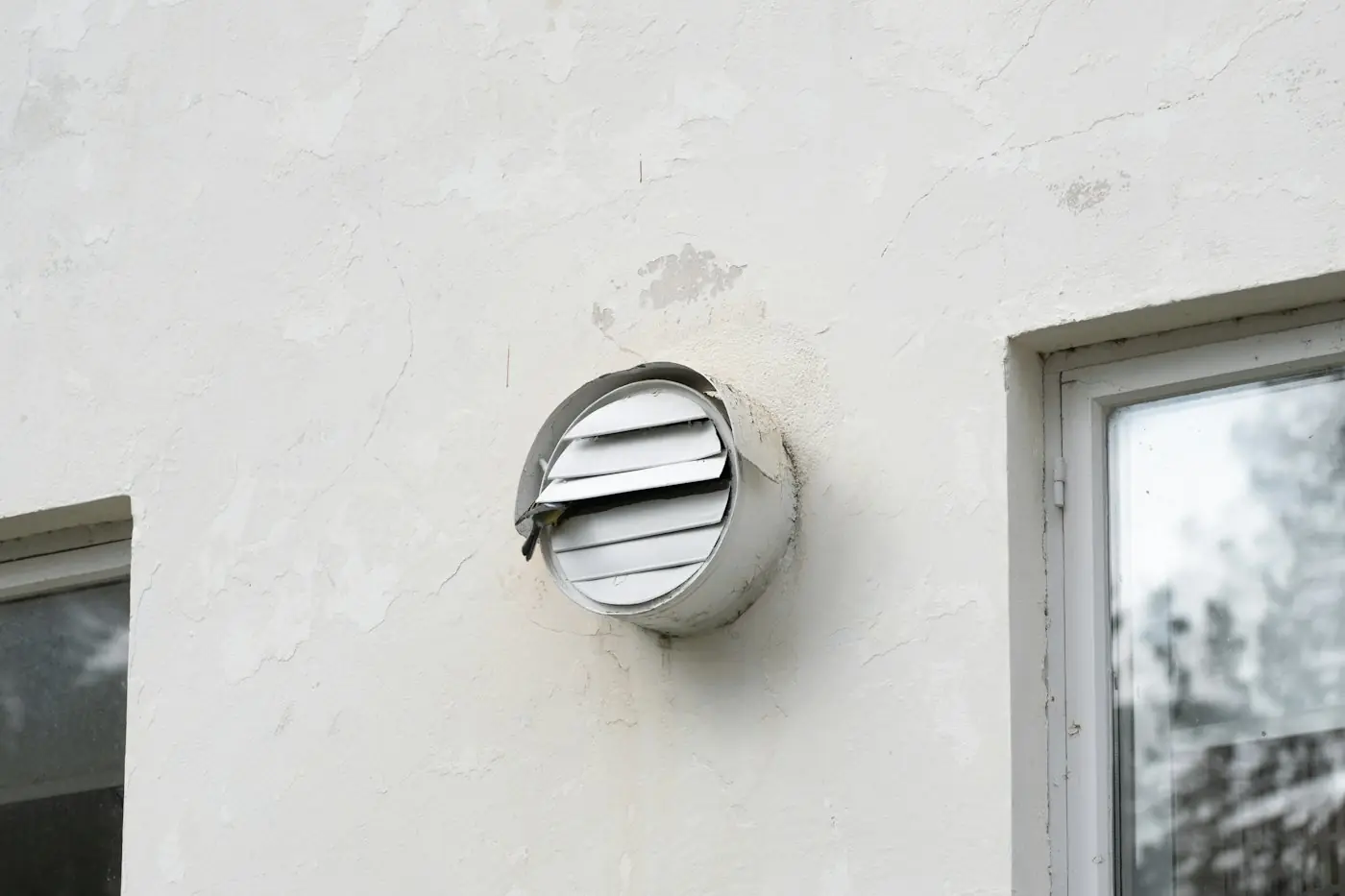
A dryer vent is the one duct in the house that can start a fire. Lint is dry, light and burns fast, and the vent is the warm, closed space where it collects. Here are the warning signs, what the U.S. Fire Administration says about prevention, and the Tucson-specific reasons vents here clog faster.
What the U.S. Fire Administration says
The U.S. Fire Administration reports that failure to clean was the leading factor contributing to clothes dryer fires in homes from 2018 to 2020. Not faulty wiring, not a bad dryer. Lint that nobody removed.
Their prevention advice is short and worth repeating:
- Clean the lint filter before and after each load.
- Clean lint out of the vent pipe regularly, and have the vent cleaned by a professional.
- Make sure the outdoor vent flap opens when the dryer is running.
- Replace plastic or foil accordion hoses with rigid or semi-rigid metal duct.
- Keep the area around the dryer clear of boxes, cleaning supplies and clothing.
- Turn the dryer off if you leave home or go to bed.
Warning signs your vent is clogging
- Clothes take more than one cycle to dry. The most common sign and the earliest. The dryer is making heat, but the damp air cannot get out.
- The dryer, or the laundry room, feels hot. Heat that should be leaving through the vent is staying in the machine.
- A burning smell during a load. Lint near the heating element is getting hot. Stop using the dryer until the vent has been checked.
- Lint around the dryer or on the outside hood. Lint is escaping where it should not, which means the normal path is blocked.
- The outside flap stays shut while the dryer runs. No airflow is reaching the end of the run.
- The dryer shuts off mid-cycle. Many newer dryers have a thermal cutoff that trips when the vent is blocked. Treat it as a warning, not a nuisance.
- It has been more than a year. A family that runs the dryer most days typically needs the vent cleaned yearly.
Why Tucson vents clog faster
- Roof vents. Many single-story Tucson homes vent the dryer through the roof. Lint has to be pushed up a long, often vertical run with bends. It clogs sooner and is harder to clear from inside.
- Long attic runs. A laundry room in the middle of the house means the vent travels through the attic. Every foot and every elbow holds more lint.
- Dust in the hood. Desert dust and monsoon storms pack the outside hood and jam the flap. We find hoods that have not opened in months.
- Nests. A warm, dry vent with a broken flap is a perfect nesting spot. A nest at the hood blocks the whole run.
- Attic heat. Tucson attics run very hot in summer. A clogged vent in a hot attic holds heat longer, which is exactly the condition a fire needs.
What you can do yourself
- Clean the lint filter every load. Wash it with soap every few months if dryer sheets have left a film.
- Pull the dryer out once a year and check the hose. If it is white plastic or foil, replace it with rigid or semi-rigid metal.
- Check the outside hood. Clear lint and dust by hand and make sure the flap swings freely.
- Run a load and go outside. You should feel warm air pushing out of the hood.
What a professional cleaning adds
A home cleaning reaches the hose and the hood. A professional cleaning reaches the full run between them, with rotating brushes and a vacuum from both ends, including roof vents and long attic runs. The tech also checks for crushed or disconnected duct, which is the other common cause of slow drying. See dryer vent cleaning in Tucson.
If you smell burning or the dryer is hot to the touch, stop using it until the vent has been cleared. That is not a cleaning problem to schedule for next month.
Clothes taking two cycles, or a flap that will not open?
Dryer vent cleaning in Tucson or call (520) 000-0000. Quote before anyone comes out.
Get a free quote
Five quick questions. We call you back.